
Floor Consoles vs. Highwall Heat Pumps: Which Is Best for Your Space?
Floor console vs highwall heat pumps depends on room layout: highwalls suit open spaces, while floor consoles suit small rooms, beds and renovations with better low-level comfort.
If you are choosing between a floor console heat pump and a highwall heat pump, the best option depends on your room layout, insulation, window placement, and how you use the space. Highwall heat pumps are ideal for most standard rooms with clear wall space and deliver strong, efficient airflow from above. Floor console heat pumps excel in smaller rooms, renovations, and spaces with low wall height or limited mounting options. They provide excellent heat distribution at ground level and are often the best heat pump for small rooms, bedrooms, or villas with character features.
Introduction
Choosing the right heat pump is not just about brand or capacity. For homeowners and renovators, the real decision often comes down to unit style and placement. Two of the most common options in New Zealand homes are highwall heat pumps and floor console heat pumps.
At Heat & Cool, we help Auckland homeowners every day who are weighing up highwall vs floor console heat pumps. Both options are efficient, reliable, and well-suited to our climate. The difference lies in how they fit your space, how the heat moves through the room, and how they integrate into your home visually and practically.
This guide walks you through a clear side-by-side comparison, real-world scenarios, and expert insights to help you choose the best heat pump for your space.
Understanding the Two Heat Pump Types
Before comparing performance and aesthetics, it helps to understand what each system is designed to do.
What Is a Highwall Heat Pump?

A highwall heat pump is the most common type installed in New Zealand homes. It is mounted high on the wall near the ceiling and distributes warm or cool air downward and outward.
Highwall systems are popular because:
• They suit most standard room layouts
• They provide strong airflow and fast temperature changes
• They are cost-effective and widely available
You can explore Heat & Cool’s range here.
What Is a Floor Console Heat Pump?
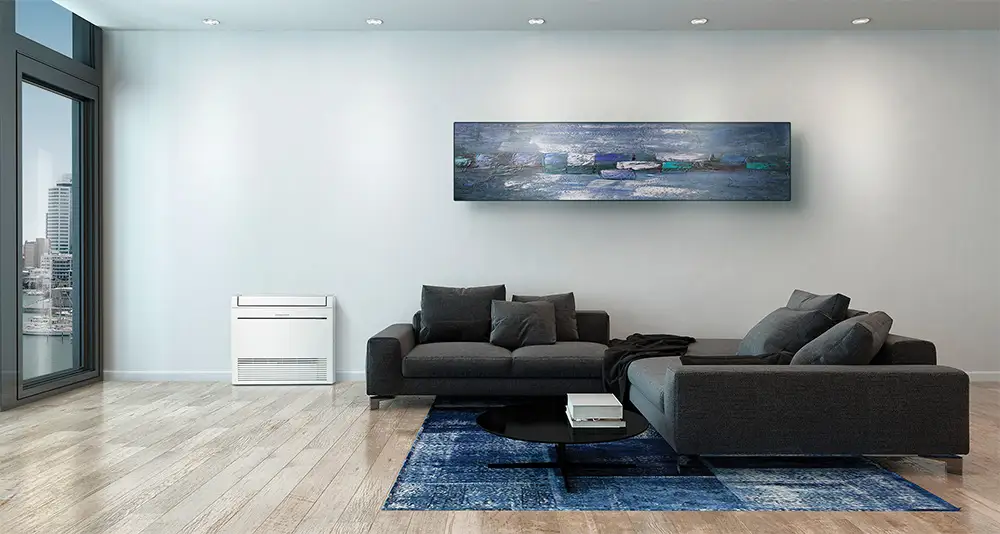
A floor console heat pump is installed low on the wall, similar in height to a radiator. These units draw in air at floor level and release heat close to where people actually sit and stand.
Floor console heat pumps are often chosen for:
• Bedrooms
• Small living spaces
• Renovations
• Villas and character homes
• Rooms with low ceilings or limited wall space
Heat & Cool’s floor-mounted options are available here.
Side-by-Side Comparison: Floor Console vs Highwall Heat Pumps
Installation Location and Space Requirements
Highwall heat pumps require clear wall space high up. This can be a challenge in rooms with:
• Large windows
• Sliding doors
• Built-in shelving
• Sloped or low ceilings
Floor console heat pumps install neatly along the lower wall. They are ideal when wall height is limited or when you want to preserve original features like architraves and cornices.
For renovators working with existing layouts, floor consoles often provide more flexibility without major structural changes.
Heating and Cooling Performance
Both systems are highly efficient, but the way heat is delivered differs.
Highwall heat pumps:
• Push warm air downward from above
• Heat rooms quickly
• Work very well in open-plan areas
Floor console heat pumps:
• Deliver heat at floor level
• Reduce cold spots near the ground
• Feel more consistent in bedrooms and smaller spaces
According to BRANZ research on heat distribution in residential spaces, warm air delivered closer to floor level can improve perceived comfort in cooler months, particularly in insulated but compact rooms.
This makes floor consoles a strong contender for the best heat pump for small room scenarios.
Energy Efficiency and Running Costs
Both floor consoles and highwall heat pumps use inverter technology and meet or exceed New Zealand energy efficiency standards.
Efficiency differences usually come down to:
• Correct sizing
• Room insulation
• Placement
• Usage habits
A properly sized heat pump can reduce heating energy use by up to 40 per cent compared to electric heaters, according to EECA.
Heat & Cool focuses on correct load calculations rather than oversizing. This is a key differentiator compared to many installers who rely on rule-of-thumb estimates.
Airflow and Comfort
Highwall systems circulate air across a wider area, making them well-suited to living rooms and family spaces.
Floor console systems produce gentler airflow at seated level, which many people find more comfortable in bedrooms. They also reduce the feeling of warm air pooling near the ceiling.
For homes with young children or elderly occupants, this low-level heat delivery can improve comfort without overheating the room.
Aesthetic Considerations
Visual Impact
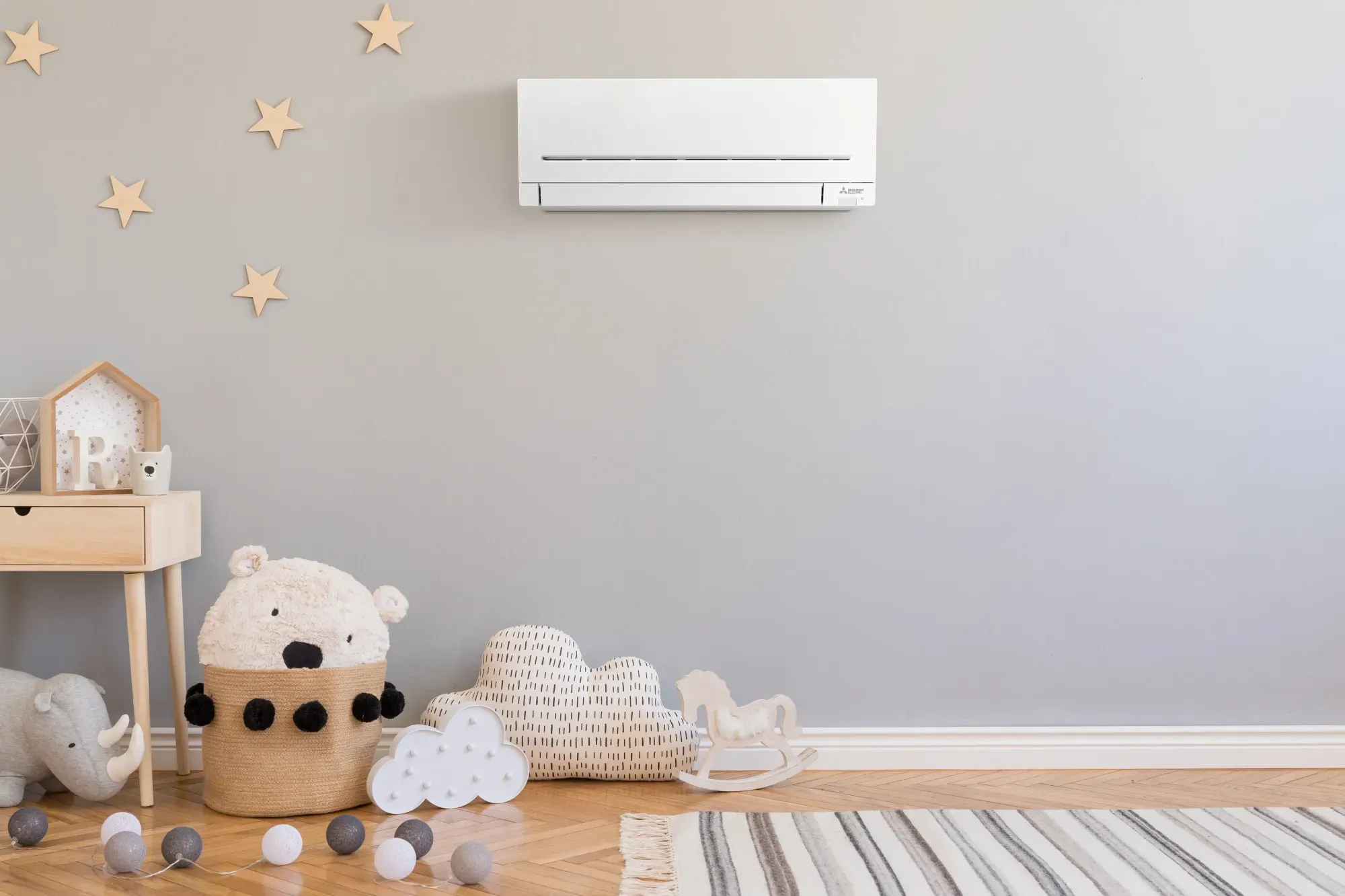
Highwall heat pumps are visible by design. While modern models are sleek and compact, they still sit prominently on the wall.
Floor console heat pumps:
• Sit lower and are often less visually dominant
• Can be positioned under windows
• Blend well with skirting lines and furniture layouts
For character homes or carefully designed renovations, floor consoles often win on aesthetics.
Furniture Placement and Room Flow
Highwall units keep floor space clear, which is useful in tight rooms.
Floor consoles require some clearance in front, similar to a radiator. That said, they often fit naturally beneath windows where furniture would not normally go.
A professional site assessment helps determine which option integrates best with your layout. Book your FREE heat pump assessment today.
Hypothetical Customer Scenarios
Scenario 1: Bedroom Heating in a Renovated Villa
A homeowner renovating a 1920s villa in Mt Eden wanted discreet heating for the bedrooms without compromising original plaster ceilings.
A highwall unit would have required cutting into decorative features. A floor console heat pump allowed efficient heating with minimal visual impact.
Result:
• Even warmth at night
• No cold floors in winter
• Clean integration with the room’s character
Scenario 2: Small Home Office or Nursery
For a compact home office with limited wall space, a floor console provided targeted heating without overwhelming the room.
Because the heat was delivered at desk level, the room reached comfort faster and stayed consistent throughout the day.
This is a classic example of choosing the best heat pump for a small room based on usage rather than size alone.
Scenario 3: Open-Plan Living Area
A family in West Auckland installed a highwall heat pump in their open-plan living and dining space.
The high placement allowed wide airflow coverage, fast warm-up times, and effective summer cooling.
This highlights where highwall heat pumps truly shine.
Maintenance and Long-Term Performance

Both heat pump types require regular maintenance to perform efficiently and meet Healthy Homes standards.
Heat & Cool provides professional servicing with routine maintenance that includes:
• Filter cleaning
• Airflow checks
• Performance testing
• Electrical and refrigerant inspection
Regular servicing can extend system lifespan and maintain efficiency, according to manufacturer guidance from Mitsubishi Electric and industry data from EECA.
For rental properties, compliant heating is essential. You can learn more about Healthy Homes and how heat pumps fit into meeting those guidelines on our dedicated Healthy Homes page.
Choosing the Right Heat Pump with Heat & Cool
The biggest mistake homeowners make is choosing a heat pump based on price or appearance alone.
At Heat & Cool, we assess:
• Room size and layout
• Insulation and glazing
• Ceiling height
• Window placement
• How the room is used day to day
This tailored approach ensures your system performs as intended for years to come.
Explore all our residential heat pump solutions today.
FAQ: Floor Console vs Highwall Heat Pumps
Which is better, a floor console or highwall heat pump?
Neither is universally better. Highwall heat pumps suit larger or open spaces, while floor console heat pumps are often better for small rooms, bedrooms, and renovations.
Is a floor console heat pump good for bedrooms?
Yes. Floor console units provide gentle, even heat at sleeping level and are quieter for overnight use.
Are floor console heat pumps more expensive?
They can be slightly more expensive upfront, but performance and comfort benefits often outweigh the difference in the right space.
What is the best heat pump for a small room?
In many cases, a floor console heat pump is ideal due to targeted airflow and efficient heat delivery at floor level.
Do both systems meet Healthy Homes requirements?
Yes, when correctly sized and installed. Heat & Cool ensures compliance for all rental installations.
Final Thoughts
Choosing between a highwall vs floor console heat pump is about matching the system to your space, not forcing your space to fit the system.
With expert assessment, correct sizing, and professional installation, both options deliver excellent comfort, efficiency, and long-term value.
If you are planning a renovation or upgrading your home heating, Heat & Cool is here to help you make the right choice with confidence. Get in touch with the team today to discover the best heat pump for your space.
Related Posts
The True Cost of Heating: Upfront Purchase vs. Lifetime Heat Pump Savings
August 13, 2026
For Auckland homeowners, landlords and small businesses, the right heat pump can provide lower running costs, dependable comfort and cooling in summer. The key is to compare the total cost of ownership, not simply the cheapest upfront option.
READ MORE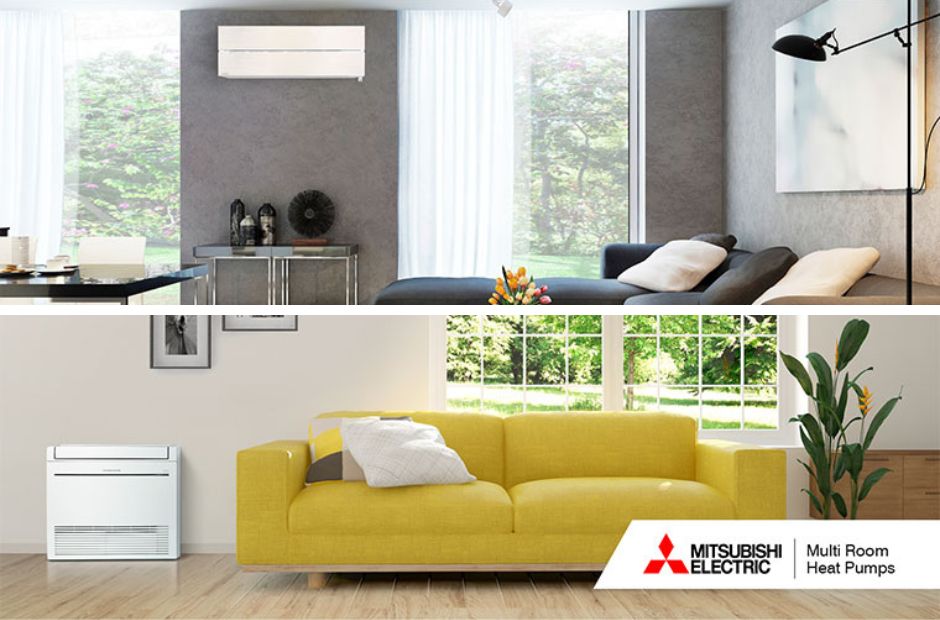
OmniCore Multi-Room Systems: The Ultimate Solution for Whole-Home Comfort
October 15, 2025
At Heat and Cool, we specialise in helping families like yours find the right heating and cooling solution for their home, including OmniCore multi-room heat pumps.
READ MORE
Ceiling-Mounted Heat Pumps: Sleek Comfort for Modern Auckland Spaces
November 12, 2025
A ceiling-mounted heat pump is one of the best options for achieving the balance between heating and cooling, offering a discreet yet powerful solution for both residential and commercial spaces.
READ MORE