
How to Choose the Best Heat Pump Brand for Your Auckland Home
Auckland's weather keeps you on your toes. Summer days can reach a sticky 28°C with humidity that makes the house feel airless. Winter nights can fall to around 5°C, and the damp gets into wardrobes, window frames and the corners of the bedroom ceiling. Your heat pump has to cope with all of it, year after year, often within a few kilometres of salty sea air.
Buying one can feel like a lot. There are dozens of brands on the market, online reviews contradict each other, and quotes for units that look alike can differ by hundreds or even thousands of dollars.
This guide is here to cut through that. It's written with Steve Gardener and Stu Shaw, the directors of Heat & Cool, who have worked in Auckland's heating and cooling industry for more than 30 years. It covers what separates the leading brands, why installation matters as much as the name on the box, and how to choose the right model for your home.
Mitsubishi vs Daikin (and Panasonic): An Honest Comparison for NZ Homes
Mitsubishi Electric, Daikin and Panasonic are three of the most trusted heat pump brands in New Zealand, and all three make good products. Every model we mention uses inverter technology. This means the compressor speeds up and slows down to hold your chosen temperature, instead of switching fully on and off. That saves power and keeps the room at a steadier temperature.
The differences show up in the details that matter most in Auckland: noise, air quality, corrosion resistance and ease of use.
Noise levels (dBA)
Sound is measured in dBA (A-weighted decibels). The lower the number, the quieter the unit. This matters most in bedrooms, nurseries and home offices.
• Mitsubishi Electric: The EcoCore AP25 is rated at 18 dBA on its lowest fan setting in heating mode. Mitsubishi Electric describes it as New Zealand's quietest high-wall heat pump. For comparison, 18 dBA is quieter than a whisper. The Black Diamond LN Series starts at 19 dBA.
• Daikin and Panasonic: Both make quiet units. Sound levels vary from model to model, so check the exact dBA figure on the specification sheet of the model you're quoted, however the Daikin Cora and Alira models both have quiet modes that report a dBA of 19 whilst Panasonic and Hitachi both have quiet settings that can match some Mitsubishi models, however, Mitsubishi is the clear winner across multiple models when it comes to dBA.
Tip: Always compare the minimum indoor sound level for the size you're buying. A bigger unit of the same model is usually a little louder.
Air filtration: important in humid Auckland
Auckland's humidity encourages mould, dust mites and musty smells, so filtration is more than a nice extra.
• Mitsubishi Electric Plasma Quad filtration: The Black Diamond LN Series has Plasma Quad Plus built in. This two-stage plasma filter is designed to capture and break down airborne particles such as dust, pollen and allergens. On the EcoCore AP Series, a washable Air Purifying Filter comes as standard, and you can add the Plasma Quad Connect module.
• Daikin Streamer Technology: Daikin models such as the Alira X use Streamer Technology. It releases high-speed electrons designed to break down odours, bacteria and pollutants, and works alongside Daikin's Enzyme Blue deodorising filter.
• Panasonic nanoe™ X: Panasonic's system releases hydroxyl radicals inside tiny water particles, designed to inhibit bacteria, mould and odours on surfaces and in the air.
All three approaches have their supporters. For homes with allergy sufferers, or damp older villas, we like how Mitsubishi's Plasma Quad filtration physically captures particles, not only odours.
Coastal durability: salt-spray corrosion protection
Much of Auckland is near the coast, from the West Coast beaches to the Hibiscus Coast and the Eastern Bays. Salt in the air slowly corrodes the outdoor unit's heat exchanger. Mitsubishi Electric's EcoCore AP outdoor units have Blue Fin anti-corrosion treatment, which is designed to slow corrosion from salt and sulphur in coastal areas. Wherever you are in Auckland, ask your installer what corrosion protection the outdoor unit has and how regular servicing will protect it.
Ease of control: Wi-Fi and smart homes
Every major brand now offers app control:
• Mitsubishi Electric Wi-Fi Control: Built into the AP Plus and Black Diamond LN models, and available as an upgrade on the AP Classic. The Black Diamond LN also works with Amazon Alexa.
• Daikin: Models such as the Alira X have built-in Wi-Fi and work with the Daikin Mobile Controller app.
• Panasonic: Selected models support app-based control.
Being able to warm the house before you get home, or turn off a unit you left running, makes a real difference to your power bill.
Energy efficiency: understanding COP and energy labels
COP (Coefficient of Performance) tells you how much heat you get for each unit of electricity. A COP of 4 means about 4 kW of heat for every 1 kW of power used. For example, Mitsubishi Electric lists a heating COP of 4.78 for the EcoCore AP25.
You might remember the Energy Star rating as a quick sign of efficiency. However, EECA (the Energy Efficiency and Conservation Authority) retired the Energy Star mark in New Zealand in 2017. Look for the Zoned Energy Rating Label instead. It gives separate heating and cooling star ratings (up to 10 stars) for different climate zones, along with noise information.
Our verdict for Auckland conditions
Daikin and Panasonic are good brands, and a well-installed unit from either will serve most families well. For Auckland conditions, though, we think Mitsubishi Electric comes out ahead. It offers some of the quietest indoor units in the country, strong built-in filtration for damp homes, corrosion treatment suited to coastal areas, and a reputation for long-term reliability that matches what we see on service calls.
Why Brand Alone Isn't Enough: Sizing and Installation Matter Most
The brand you choose is only part of the decision. Many homeowners are surprised to learn that sizing and installation affect running costs more than the logo does.
"People often look at the initial price tag, but over a 10-to-15-year lifecycle, efficiency, correct sizing, and quality installation dictate 80% of what you actually spend." - Steve Gardener, Director, Heat & Cool
What happens when sizing goes wrong
• Too small: The unit runs flat out on cold July nights, uses more power, wears out sooner and still leaves the room cold.
• Too large: The unit keeps switching on and off (called "short-cycling"). That wastes energy, dehumidifies the room poorly in summer and makes the temperature uneven.
The right size depends on floor area, ceiling height, insulation, glazing, which way the room faces and how the space is used. Our heat pump sizing calculator gives you a starting point. An on-site assessment gives you the real answer.
Every Auckland house is different
Auckland's housing makes installation more complicated. A 1910s villa with high stud ceilings and native timber floors, a 1950s bungalow with a low crawl space, and a new three-level townhouse with shared walls each need a different approach.
“You can buy the best heat pump on the market and still end up with a poor result if it's put in the wrong spot. In a villa, it's about getting air to move properly around high ceilings. In a townhouse, it's usually about routing pipework neatly and keeping the outdoor unit clear of walkways and neighbours. Getting that right is where the real skill is." - Stu Shaw, Director, Heat & Cool
A good installer thinks about airflow, condensate drainage, how long the pipe runs are, where the outdoor unit sits for access and noise, and how everything will look once it's finished.
What our customers say
⭐⭐⭐⭐⭐ "For our needs Heat and Cool gave the best quote and executed the work professionally, neatly and in time... One part of the install job was quite complicated because of the layout of the house, but they patiently explained options and helped us find the best solution. The system works perfectly ever since." - Andra Biro, 2025
⭐⭐⭐⭐⭐ "They are definitely the Mitsubishi AC installers you should go for when you consider a new install or an upgrade. While the Mitsubishi AC is great, it takes a company with great skill, care and reliability to make it greater and reliable for the long run." - DV, April 2025
Find out more about our professional heat pump installation process.
Healthy Homes Heat Pump Requirements for Auckland Landlords
If you own a rental property, choosing a heat pump is also about compliance. The Healthy Homes Guarantee Act 2017 set the healthy homes standards, and Tenancy Services explains what landlords must do. The final deadline for private landlords was 1 July 2025, so all private rentals must now meet the standards.
The heating standard at a glance
• You must install one or more fixed heaters that can directly heat the main living room to at least 18°C.
• Each qualifying heater must be at least 1.5 kW, and together they must meet the room's required heating capacity.
• If the required capacity is over 2.4 kW, most electric heaters no longer qualify, but heat pumps do.
• Heat pumps and electric heaters must have a thermostat.
• Open fires and unflued gas heaters (such as portable LPG heaters) don't count.
You can work out the required capacity with the government's heating assessment tool on the Tenancy Services website, with the formula in the regulations, or through a professional assessment.
Always check the latest guidance at tenancy.govt.nz, because the rules can change.
Why reliability matters so much for landlords
A heat pump that breaks down in the middle of winter is more than an inconvenience. It can mean an unhappy tenant, an urgent callout fee and a possible compliance problem. Landlords choose Mitsubishi Electric for its reliability, built-in thermostat control and easy-clean filters, which mean fewer maintenance calls. Add correct sizing against the heating assessment tool and a documented professional installation, and you have a clear record showing the property complies.
See our Healthy Homes heating solutions for landlords and property managers.
How to Choose the Right Mitsubishi Electric Model for Your Space
Small bedrooms and home offices: EcoCore AP Series
The Mitsubishi Electric EcoCore AP Series suits rooms where quiet matters most. The AP25 is rated at just 18 dBA, so it's a great choice for bedrooms, nurseries and home offices where you need to concentrate or sleep. It's compact and efficient, it has Blue Fin anti-corrosion treatment on the outdoor unit, and Wi-Fi Control is available.
Living rooms and open-plan spaces: Black Diamond LN Series
For the room you spend most time in, the Black Diamond LN Series looks good and performs well. Its 3D i-See Sensor divides the room into 752 zones to detect where people are and direct air to them. It has Plasma Quad Plus filtration and built-in Wi-Fi Control, and comes in Red, White or Black Diamond finishes to suit your interior.
Whole-home comfort: ducted systems vs OmniCore multi-room
To heat and cool the whole house, you have two main choices. Here is how multi-split and ducted systems compare:
Ducted heat pump cost in Auckland depends a lot on the size of your home, how easy the ceiling or subfloor is to get into, the number of zones and the controls you choose. We give fixed quotes after an on-site assessment, so you won't be caught out by a rough estimate. Explore our ducted air conditioning in Auckland and OmniCore multi-room heat pumps to see which suits your home.
Get Expert Advice Before You Buy
The best heat pump for your Auckland home isn't simply the most expensive one or the one with the most reviews. It's the right brand, sized correctly for your rooms and installed by people who understand local homes. That combination keeps you comfortable, keeps power bills down and keeps the system reliable for 10 to 15 years or more.
⭐⭐⭐⭐⭐ "Excellent service, very quick to quote (competitively) and arrived for installation at the promised time. I would strongly recommend." - X4b656e, January 2026
As an authorised Mitsubishi Electric partner with more than 30 years' experience, Heat & Cool backs every installation with an extended 5-year warranty. Our on-site assessments are free and come with no obligation. We'll look at your home, measure your rooms, talk through the options and give you a clear, fixed quote.
Ready to find the right heat pump for your home?
👉 Book your free on-site assessment at heatandcool.co.nz, or call us on 0800 224 123.
Related Posts

The True Cost of Heating: Upfront Purchase vs. Lifetime Heat Pump Savings
August 13, 2026
For Auckland homeowners, landlords and small businesses, the right heat pump can provide lower running costs, dependable comfort and cooling in summer. The key is to compare the total cost of ownership, not simply the cheapest upfront option.
READ MORE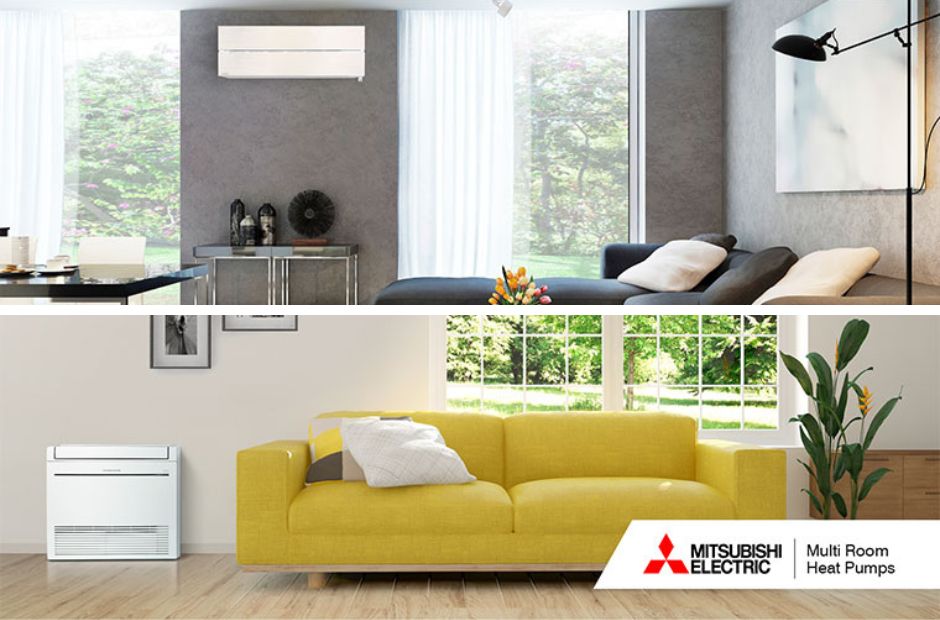
OmniCore Multi-Room Systems: The Ultimate Solution for Whole-Home Comfort
October 15, 2025
At Heat and Cool, we specialise in helping families like yours find the right heating and cooling solution for their home, including OmniCore multi-room heat pumps.
READ MORE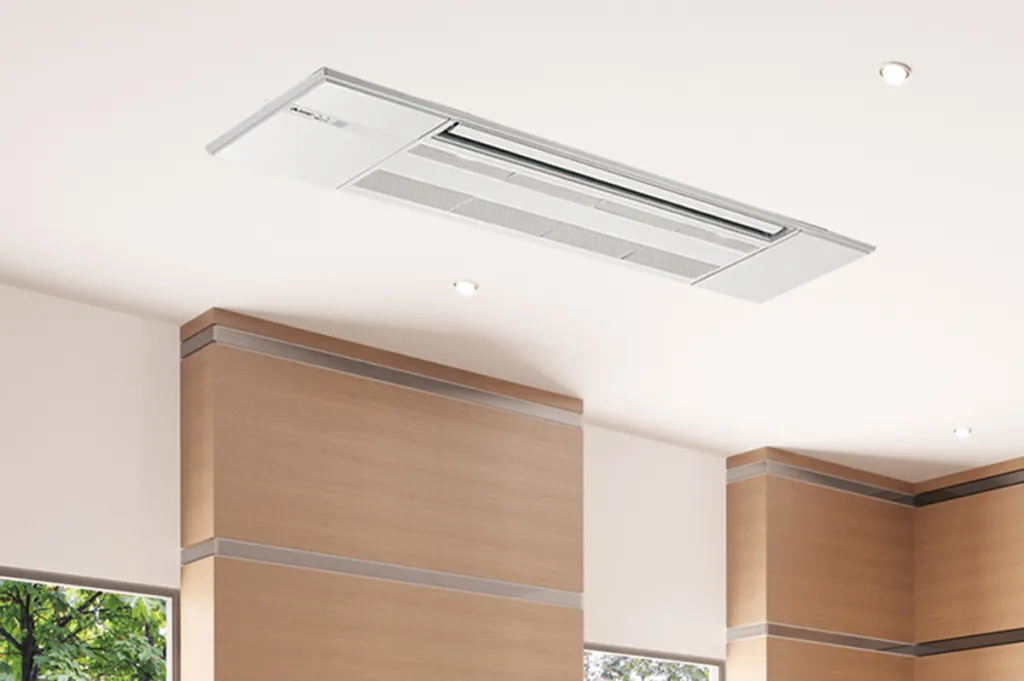
Ceiling-Mounted Heat Pumps: Sleek Comfort for Modern Auckland Spaces
November 12, 2025
A ceiling-mounted heat pump is one of the best options for achieving the balance between heating and cooling, offering a discreet yet powerful solution for both residential and commercial spaces.
READ MORE