
The True Cost of Heating: Upfront Purchase vs. Lifetime Heat Pump Savings
When comparing heating options in New Zealand, it’s easy to focus on the price on the quote or shelf label. However, the purchase and installation cost is only one part of the financial picture. Over a heat pump’s typical 10-to-15-year service life, energy consumption, maintenance, reliability and installation quality can have a much greater effect on what you ultimately spend.
For Auckland homeowners, landlords and small businesses, the right heat pump can provide lower running costs, dependable comfort and cooling in summer. The key is to compare the total cost of ownership, not simply the cheapest upfront option.
With more than 30 years of Auckland experience, Heat and Cool helps customers select and install systems that are correctly sized for the property, professionally fitted and economical to operate.
Upfront Costs vs. Running Costs
The true cost of a heating system includes more than the appliance itself. A realistic comparison should consider:
- Equipment purchase price.
- Professional installation labour.
- Electricity, gas or other fuel costs.
- Routine cleaning and maintenance.
- Repairs and replacement parts.
- Expected operating lifespan.
- Comfort, reliability and cooling capability.
A plug-in panel or fan heater may appear inexpensive because it requires little or no installation. A heat pump usually involves a higher initial investment because it includes specialist equipment, electrical work, refrigerant pipework and installation.
That does not make the heat pump the more expensive option overall.
How COP affects your power bill
Heat pumps use inverter technology to transfer heat rather than generate it directly. Their efficiency is often explained using the Coefficient of Performance (COP).
In simple terms, a heat pump with a COP of 3 can deliver approximately three units of heat for every one unit of electricity it consumes under the relevant operating conditions. A standard electric heater converts one unit of electricity into approximately one unit of heat.
That means a heat pump can deliver substantially more heating from the same electrical input. EECA describes heat pumps as providing around three to five times the heating output of the energy they consume, depending on the system and operating conditions.
This is why heat pumps are generally considered one of the most energy-efficient ways to heat a New Zealand home. EECA also reports that heat pumps are about a quarter of the running cost of bar and column heaters, although actual savings depend on the property, usage, electricity plan, outdoor temperature and chosen model.
What does a heat pump cost in NZ?
EECA gives an indicative average of approximately $4,400, including purchase and installation, for a residential heat pump.
Actual heat pump cost in NZ varies considerably according to:
- The room or building size.
- Required heating capacity in kilowatts.
- Brand and model.
- Indoor and outdoor unit location.
- Length and complexity of refrigerant pipework.
- Electrical work or switchboard upgrades.
- Access, scaffolding or elevated installation requirements.
- Whether the system is single-split, multi-split, cassette or ducted.
A small single-room unit may cost significantly less than a large ducted system for a commercial premises. The most useful quote is therefore not a generic online estimate but a site-specific assessment that explains exactly what is included.
The 10-Year Lifetime Cost Equation
A simple way to compare heating systems is:
Lifetime cost = purchase and installation + energy + maintenance and repairs
For example, a plug-in electric heater may have the lowest purchase price, but it can consume considerably more electricity when used regularly. A heat pump may cost more initially, yet its efficiency can reduce running costs year after year.
The exact result depends on how often you heat, the temperature you select, insulation levels, room size and local power tariffs. Auckland households should also check whether their retailer offers time-of-use pricing or off-peak electricity options. EECA recommends comparing power plans because discounted usage periods may benefit homes that use electric heating.
A practical comparison
EECA estimates that an average heat pump can save approximately $122 per year compared with piped gas heating and $352 per year compared with bottled LPG, excluding daily gas connection charges. These figures are general estimates rather than a guarantee for every Auckland property, but they demonstrate why a heating cost comparison should include ongoing energy use.
Maintenance and service life
Quality equipment from manufacturers such as Mitsubishi Electric, Daikin, Panasonic and Fujitsu can provide reliable service when selected and installed appropriately. EECA lists an indicative heat pump technology lifespan of around 15 years, although maintenance, operating conditions, coastal exposure and installation quality all affect actual service life.
Routine maintenance may include:
- Cleaning indoor filters.
- Checking airflow and outdoor coil condition.
- Inspecting drainage.
- Confirming electrical and refrigerant system operation.
- Washing or servicing the system when required.
A neglected system can lose airflow and efficiency, causing it to work harder. In Auckland’s humid conditions, cleaning is also important for indoor air quality and effective moisture control.
“The most expensive heat pump is the one that’s undersized or poorly installed. People often look at the initial price tag, but over a 10-to-15-year lifecycle, efficiency and correct sizing dictate 80% of what you actually spend.”
— Steve Gardener, Director at Heat and Cool
The figure in Steve’s comment is a practical trade observation rather than a universal calculation. The underlying principle is important: choosing the correct capacity and installing it properly can be more valuable than simply choosing the lowest quote.
Auckland Factors That Affect Lifetime Cost
Auckland has relatively mild winters compared with many parts of New Zealand, but homes still experience damp conditions, humid air and frequent temperature changes. Summers can also create significant cooling demand, especially in rooms with large windows or afternoon sun.
A well-selected heat pump can address both heating and cooling, potentially avoiding the need to buy separate appliances. However, performance depends on correct placement and system design.
Sizing matters
An undersized unit may run continuously during cold weather without reaching the desired temperature. That can increase electricity consumption and place unnecessary stress on the system.
An oversized unit may heat the room quickly but cycle on and off more often than intended. This can create uneven temperatures, uncomfortable airflow and inefficient operation.
A professional installer should assess:
- Floor area and ceiling height.
- Insulation and construction materials.
- Window size and solar exposure.
- Room orientation.
- Open doorways and connected spaces.
- Auckland’s local climate and coastal conditions.
- The intended use of the room.
Coastal air protection
Properties near Auckland’s coastline may expose outdoor units to salt-laden air. Correct equipment selection, suitable placement and appropriate corrosion-prevention measures can help protect the outdoor coil and extend equipment life.
“In Auckland’s humid climate, a quality heat pump isn't just about heat - it's about dehumidification and airflow. A cheap unit running non-stop will cost far more in power than a correctly installed, high-COP inverter unit.”
— Stu, Director at Heat and Cool
Advice for Landlords and Property Managers
For rental properties, a heat pump can be both an energy decision and a compliance decision. Under the Healthy Homes heating standard, rentals must have one or more fixed heaters that directly heat the main living room. The heater must have at least 1.5 kW of heating capacity and meet the minimum capacity calculated for that room.
Portable heaters, open fires and unflued combustion heaters do not meet the standard. In many cases, a correctly sized heat pump is a practical solution because it provides fixed heating, a thermostat and year-round cooling.
However, landlords should not assume that any small heat pump automatically meets Healthy Homes requirements. The required capacity depends on the room and property. Tenancy Services provides a heating assessment tool, and landlords can also use the regulatory formula or engage a professional to assess the required capacity.
The most cost-effective compliance approach is usually to:
- Assess the actual required heating capacity.
- Avoid installing a unit that is too small for the main living room.
- Consider insulation, draughts and ventilation at the same time.
- Select durable equipment with accessible servicing.
- Keep installation records and warranty documentation.
A cheaper unit that fails to heat the living area properly may lead to higher tenant power use, complaints, early replacement or further compliance work.
Advice for Commercial Premises
For small businesses, the cost of heating includes more than the power bill. Uncomfortable staff, disrupted meetings, overheated equipment and repeated breakdowns can all affect productivity.
A commercial heat pump installation should consider:
- Occupancy levels and operating hours.
- Heat generated by computers, lighting and machinery.
- Zoning requirements.
- Noise in offices, reception areas and meeting rooms.
- Access for maintenance.
- The effect of installation work on tenants and customers.
- Future changes to the premises.
For a commercial property, a tidy installation and predictable operating costs can be just as important as the equipment price.
“Worked with Steve to quote and then the team to install for a commercial premise. A very tidy job, mindful of tenants and delivered what and when expected. Highly Recommended!”
— Michael Graves, February 2025
How to Maximise Lifetime Savings
1. Start with an on-site assessment
Avoid choosing a heat pump based only on room size or a product’s advertised price. A site assessment helps identify the correct kW capacity, airflow requirements, outdoor unit location and installation complexity before work begins.
2. Keep filters and airflow clean
Dirty filters restrict airflow and reduce performance. Check indoor filters regularly according to the manufacturer’s instructions, and arrange professional maintenance when the unit requires more than basic cleaning.
3. Choose installation quality over the lowest quote
The installer affects system performance, drainage, noise, appearance and warranty protection. Heat and Cool’s permanent, certified technicians complete installations themselves rather than relying on random subcontractors. Our work is backed by a five-year workmanship warranty.
4. Compare power plans
Because heat pumps use electricity, your retailer’s tariff can affect the lifetime cost. Compare available plans and consider whether off-peak or time-of-use options suit your household or business schedule.
5. Use the system efficiently
Set a comfortable temperature rather than repeatedly turning the unit on and off. Use timers, keep doors and windows closed while heating or cooling, and address insulation or draught problems that make any heating system work harder.
Is a Heat Pump Worth It?
For many Auckland homes, rentals and small businesses, a heat pump offers the best balance of upfront investment, running cost and versatility. It generally costs more to purchase than a basic plug-in heater, but its higher efficiency, cooling capability and potential 10-to-15-year lifespan can make it the more economical choice over time.
The right answer depends on your property, usage and budget. That is why the best heating decision begins with an accurate assessment rather than a sticker-price comparison.
Heat and Cool has helped Auckland homes and workplaces stay comfortable for more than 30 years. Since Steve and Stu took over in 2021, the family-owned business has continued to focus on honest advice, quality equipment and careful workmanship. Learn more about Heat and Cool’s Auckland history and certified team.
For a transparent assessment and free, competitive quote, contact Heat and Cool about residential heating, commercial heat pump installation or Healthy Homes requirements. The team can help you compare upfront costs against realistic lifetime running costs, and choose a system that remains good value long after installation day.
Frequently Asked Questions
1. How much does a heat pump cost in NZ?
A standard residential heat pump costs approximately $4,400 on average, including purchase and installation, according to EECA. The final price can vary depending on the unit’s capacity, brand, installation location, pipework length, electrical requirements and site access.
A small single-room system will usually cost less than a multi-split, ceiling cassette or ducted system. Heat and Cool provides site-specific quotes so you can compare the complete installed cost rather than an equipment-only price.
2. Are heat pumps cheaper to run than electric heaters?
Generally, yes. A standard electric heater converts electricity directly into heat, while a heat pump transfers heat using inverter technology. EECA states that heat pumps can provide approximately three to five times the heating output of the electricity they consume, depending on operating conditions.
Actual running costs depend on the room size, insulation, outdoor temperature, selected temperature, electricity tariff and how often the system operates.
3. How much can a heat pump save on power bills?
There is no single saving that applies to every Auckland property. However, EECA estimates that heat pumps cost around a quarter as much to run as bar and column heaters and are approximately one-third the running cost of gas heating.
Your potential lifetime savings from a heat pump will depend on what heating system it replaces and how frequently you use it. A Heat and Cool assessment can help compare likely usage rather than relying on a generic estimate.
4. What is the difference between a heat pump’s upfront cost and running cost?
The upfront cost covers the equipment, professional installation and any required electrical or building work. The running cost is the electricity consumed while heating, cooling or dehumidifying your property.
A heat pump may cost more to purchase than a portable heater, but its lower energy consumption can make it more economical over several years. A proper comparison should also include maintenance, repairs, expected service life and whether the system provides both heating and cooling.
5. What does COP mean on a heat pump?
COP stands for Coefficient of Performance. It describes how much heating energy a heat pump delivers compared with the electricity it uses.
For example, a COP of 3 means the system can deliver approximately three units of heat for every unit of electricity consumed under specified conditions. COP is not fixed: it can change with outdoor temperature, operating mode, system load and equipment design.
6. How long does a heat pump last?
A quality heat pump may provide around 10 to 15 years or more of service when correctly selected, installed and maintained. EECA gives an indicative lifespan of approximately 15 years for heat pump technology.
Actual longevity can be affected by:
- Installation quality.
- Frequency of use.
- Filter and coil cleaning.
- Coastal salt-air exposure.
- Drainage and airflow.
- The quality of electrical and refrigerant work.
- Whether the system is correctly sized.
Regular maintenance can help identify issues before they become expensive breakdowns.
7. Is a heat pump a Healthy Homes-compliant heater?
A heat pump can be used to meet the Healthy Homes heating standard, but it must be correctly sized and installed as a fixed heating appliance. Tenancy Services states that rental heating must directly heat the main living room, be fixed in place, have at least 1.5 kW of heating capacity and meet the calculated minimum capacity for the room.
Portable heaters, open fires and unflued combustion heaters do not meet the heating standard.
Landlords should confirm the required capacity for the specific property rather than assuming that any heat pump will automatically comply.
8. Is the cheapest heat pump the best option?
Not necessarily. A lower-priced unit may have a higher running cost, shorter service life, fewer control features or less suitable performance for the property.
The total value of a heat pump depends on:
- Seasonal energy efficiency.
- Correct kW capacity.
- Noise levels.
- Warranty support.
- Availability of parts and servicing.
- Installation workmanship.
- Suitability for Auckland’s humid and coastal conditions.
A professional assessment can prevent the two most common sizing mistakes: installing a system that is too small and runs continuously, or choosing one that is unnecessarily large for the room.
9. Which heat pump brands are available in NZ?
Heat and Cool can advise on suitable systems from established manufacturers, including Mitsubishi Electric, Daikin, Panasonic and Fujitsu. The best model depends on your property rather than the brand name alone.
Important features to compare include inverter control, heating capacity, seasonal efficiency, quiet-mode performance, Wi-Fi controls, filtration, warranty support and suitability for the installation environment.
10. How much does heat pump maintenance cost in NZ?
Maintenance costs vary according to the type of system and the work required. Basic homeowner maintenance includes cleaning indoor filters and keeping the outdoor unit clear of leaves and obstructions. Professional servicing may include coil cleaning, drainage checks, airflow testing and inspection of electrical and refrigerant components.
A clean, well-maintained system can operate more efficiently and may reduce the risk of premature repairs. Heat and Cool can recommend an appropriate maintenance schedule for residential, rental and commercial systems.
11. Do heat pumps work well in Auckland’s winter climate?
Yes. Heat pumps are widely used for Auckland heating because they can provide efficient warmth while also cooling the property during summer. Their performance still depends on correct sizing, insulation, airflow and installation.
In Auckland’s humid climate, a heat pump can also help manage indoor comfort through air circulation and dehumidification. Stu from Heat and Cool recommends considering airflow and moisture control, not just the unit’s heating output, when selecting a system.
12. How can I reduce my heat pump’s running costs?
To maximise efficiency:
- Set a comfortable temperature instead of an excessive heat setting.
- Use timers and scheduling features.
- Clean indoor filters regularly.
- Keep doors and windows closed while heating or cooling.
- Avoid blocking the indoor unit or outdoor airflow.
- Address draughts and insulation problems.
- Compare electricity tariffs and time-of-use plans.
- Arrange professional maintenance when performance changes.
Correct sizing and installation are also essential. An undersized or poorly installed unit may run continuously and cost more to operate.
13. Is a heat pump suitable for a rental property?
A heat pump is often a practical option for rental properties because it is fixed, thermostatically controlled and capable of providing heating and cooling. It may also help landlords meet the Healthy Homes heating requirement when the system is correctly sized for the main living room.
Landlords should consider durability, tenant ease of use, maintenance access, warranty coverage and the long-term cost of electricity, not simply the cheapest installation quote.
14. What is included in a Heat and Cool heat pump quote?
A site-specific quote should explain the recommended equipment, heating capacity, installation location, pipework, electrical work, drainage, exclusions and warranty terms.
Heat and Cool offers free, competitive quotes across Auckland and uses permanent, certified in-house technicians. Installation workmanship is supported by a five-year workmanship warranty. More information about the company is available on Heat and Cool’s Our Story page.
15. How do I compare heat pump quotes?
Compare quotes on a like-for-like basis. Check whether each quote includes:
- The same or comparable heating capacity.
- Equipment supply and GST.
- Standard or difficult-access installation.
- Electrical work.
- Outdoor unit brackets or mounting.
- Condensate drainage.
- Removal of old equipment.
- Warranty details.
- Future servicing and maintenance support.
The lowest upfront quote may not be the lowest lifetime-cost option. For an Auckland property, the best quote should balance purchase price, efficiency, installation quality, reliability and expected service life.
16. How can I get a heat pump quote in Auckland?
Contact Heat and Cool to arrange a consultation or free, no-obligation quote. Steve, Stu and the team can assess your property, recommend the appropriate system size and explain the likely upfront and long-term costs for your home, rental or commercial premises.
Related Posts
The True Cost of Heating: Upfront Purchase vs. Lifetime Heat Pump Savings
August 13, 2026
For Auckland homeowners, landlords and small businesses, the right heat pump can provide lower running costs, dependable comfort and cooling in summer. The key is to compare the total cost of ownership, not simply the cheapest upfront option.
READ MORE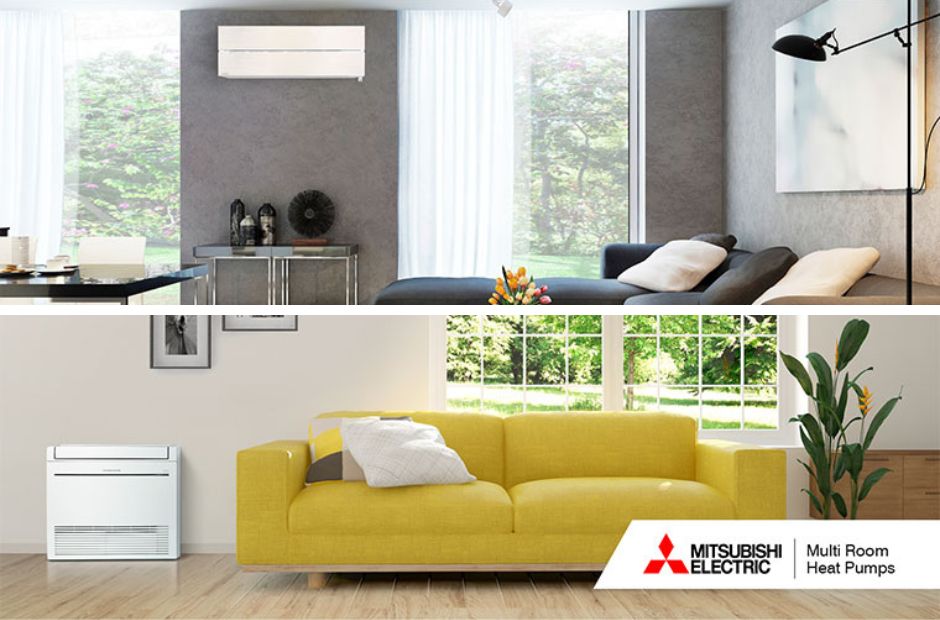
OmniCore Multi-Room Systems: The Ultimate Solution for Whole-Home Comfort
October 15, 2025
At Heat and Cool, we specialise in helping families like yours find the right heating and cooling solution for their home, including OmniCore multi-room heat pumps.
READ MORE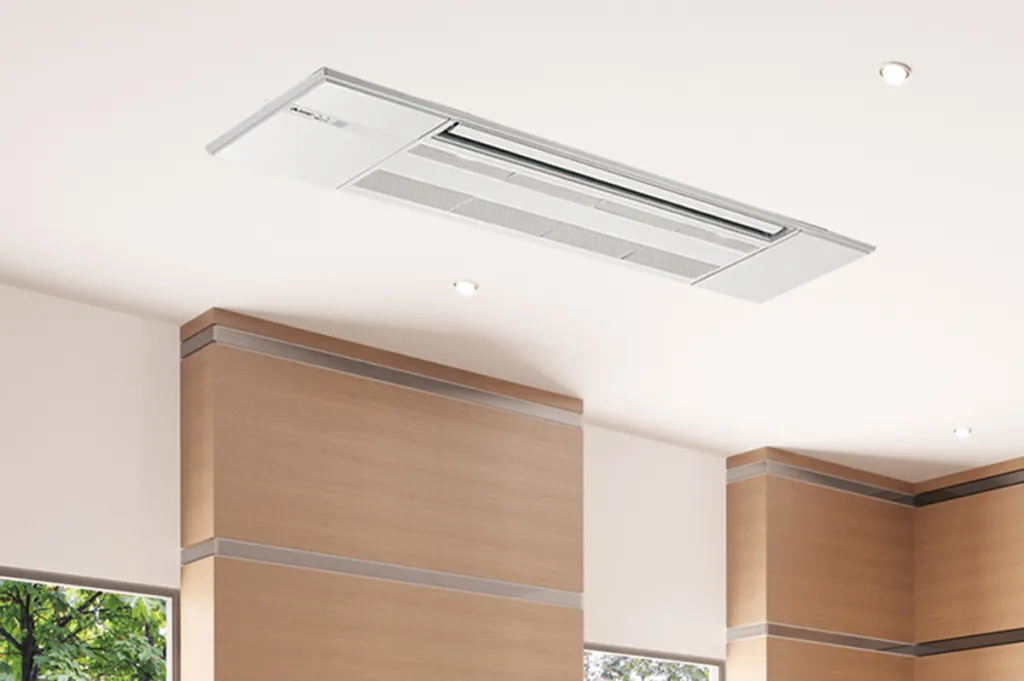
Ceiling-Mounted Heat Pumps: Sleek Comfort for Modern Auckland Spaces
November 12, 2025
A ceiling-mounted heat pump is one of the best options for achieving the balance between heating and cooling, offering a discreet yet powerful solution for both residential and commercial spaces.
READ MORE