
Stop Bleeding Power Bills: Why Modern Heat Pumps Are the Ultimate Upgrade for NZ Homes
Modern heat pumps are one of the smartest upgrades for NZ homes because they deliver far more heat per dollar than plug-in heaters, improve year-round comfort, and help reduce moisture and poor air quality. For Auckland and wider New Zealand households, the right system can cut running costs, improve liveability, and pay for itself faster than most people expect.
Introduction
The classic Kiwi winter is easy to picture. The windows are running with condensation, the hallway feels like an ice cave, and someone in the house is hovering in front of a noisy oil column heater that seems to warm a tiny patch of air and little else. It’s the kind of cold that gets under your skin, and for a lot of New Zealand homes, it’s also the kind of cold that quietly drives up power bills month after month.
Across Aotearoa, more households are moving away from old-school heating like plug-in electric heaters, outdated gas flues, and traditional fireplaces. The reason is simple. Modern heat pump technology does more than warm a room. It delivers better comfort, lower running costs, and a more practical long-term result for busy families and property owners. In other words, what looks like a comfort upgrade on the surface is really a very tactical financial move.
The Math Behind the Switch
A heat pump vs electric heater comparison usually starts with efficiency, and that’s where the gap becomes obvious. Traditional plug-in electric heaters are resistive heaters. That means 1 kW of electricity becomes 1 kW of heat. In simple terms, they are 100% efficient at converting electricity into warmth, but they cannot multiply that energy or move heat from elsewhere. A heat pump works differently because it doesn’t create heat from scratch. It transfers heat from the outside air into your home, even when the weather feels cold.
EECA says a typical heat pump in New Zealand can put out about three times more heat than the power it consumes, and Gen Less explains that modern models can deliver around 300% to 500% efficiency, or 3 to 5 units of heat for every 1 unit of electricity used. That difference is the reason heat pumps are now seen as a leading form of energy-efficient heating NZ households can adopt.
That efficiency difference also shows up in day-to-day running costs. A standard plug-in heater can cost around $0.90 to $1.05 per hour to run, while a highly efficient heat pump is often around $0.28 to $0.45 per hour. Over a winter, those cents add up quickly, especially in a main living space where the heater is used every evening. Industry comparisons also suggest replacing an equivalent old-school plug-in heater with a heat pump in the main living area can save roughly $500 per year on power bills.
How the Alternatives Stack Up

Not all heating systems are equal, and the old options are starting to show their age.
Portable electric heaters are cheap to buy and easy to move, but they usually only warm a small pocket of air near the unit. That can feel helpful for a moment, but it often means the heater runs hard for long periods without making the whole room genuinely comfortable. For households trying to manage costs, that is a poor trade-off over time.
Gas heating has its own problems. Reticulated or bottled gas systems face serious headwinds because they come with fixed connection and supply costs that can quietly stack up year after year. Annual gas line charges alone can average more than $800 before a homeowner even turns on the flame. Switching to a heat pump removes those secondary connection fees and moves the home toward a simpler all-electric setup.
Wood burners still have a loyal following, especially in some colder parts of New Zealand, but they are not the most convenient or flexible solution for modern living. Heat loss up the chimney is a real issue, and while a burner can feel cosy, it does not provide the automated, thermostat-driven control many households now expect. Efficiency also varies widely depending on the unit, installation, fuel quality, and operation. A heat pump, by contrast, gives far more predictable performance.
The Lifestyle Benefits
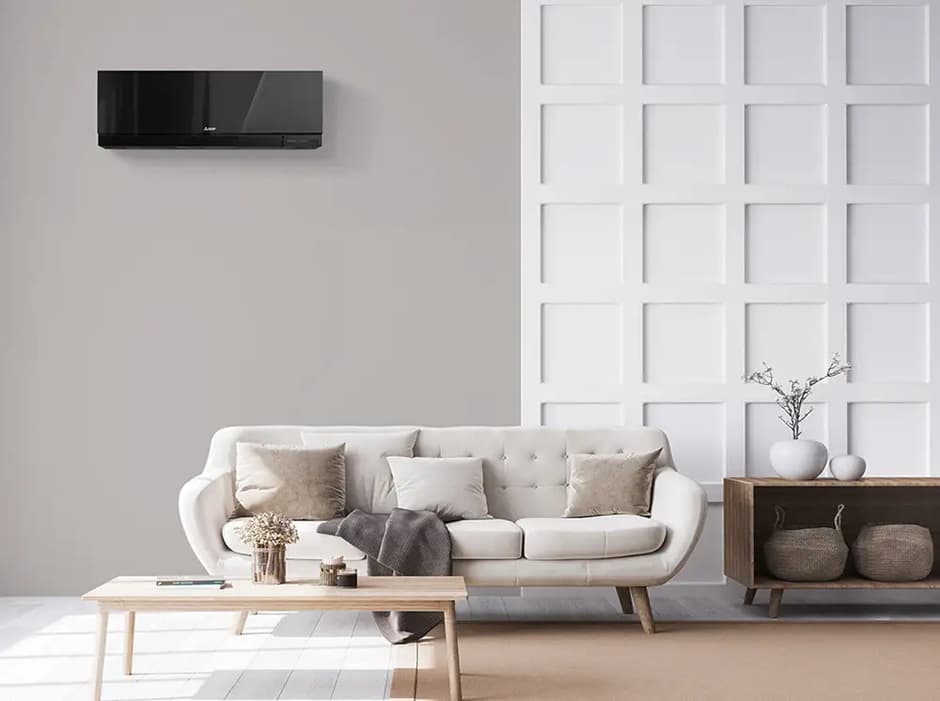
One of the biggest heat pump benefits is that it’s not just a winter appliance. It’s a year-round comfort solution. That hidden cooling bonus matters more than ever in New Zealand, where summer humidity and sticky indoor heat can make homes uncomfortable long after winter has ended. A good heat pump doubles as a high-performance air conditioner, helping keep living rooms, bedrooms, and home offices stable and comfortable through the seasons.
Heat pumps also support healthier homes. They help reduce dampness, and because they filter the air as they operate, they can capture dust, mould spores, and allergens that make indoor environments harder to live in. That is especially useful in older Kiwi villas and bungalows, where condensation on windows and hidden moisture can become ongoing headaches. For health-conscious homeowners and families with kids or allergy concerns, this is not a minor side benefit. It’s part of the value proposition.
For landlords and property managers, the connection to Healthy Homes compliance is also important. A warmer, drier home is easier to maintain and more appealing to tenants. That means fewer complaints, better retention, and a property that feels more up to date without requiring a full renovation.
Why Installation Expertise Matters
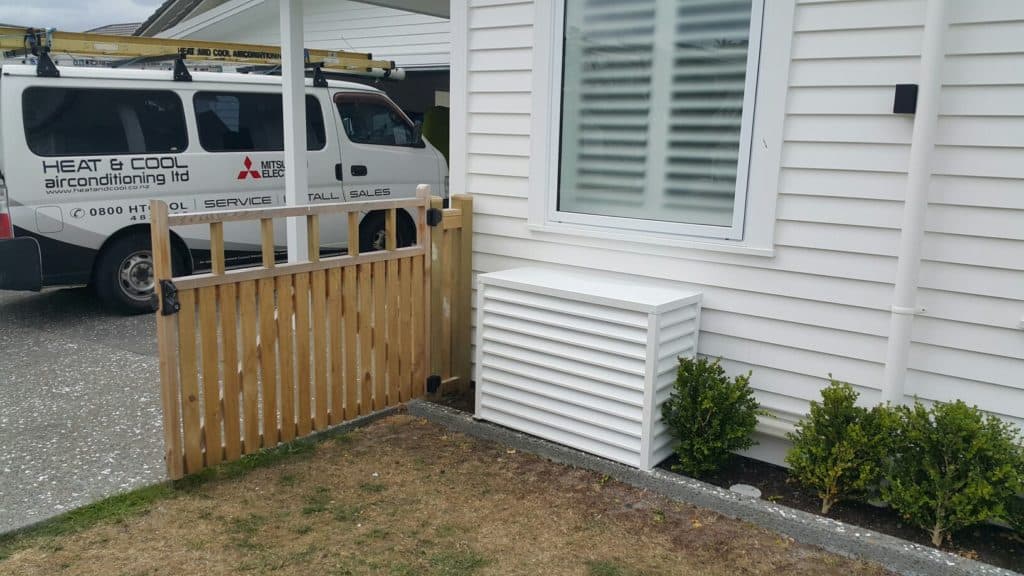
A heat pump is only as good as its design and installation. That’s where Heat and Cool’s expertise makes a real difference.
The first big factor is sizing. An undersized unit will run constantly, struggling to reach the target temperature and quietly pushing up power bills. An oversized unit can short-cycle, turning on and off too often, which can reduce comfort and wear the system out faster. The right approach is to assess room volume, insulation quality, window exposure, occupancy patterns, and regional conditions before making a recommendation. A coastal Auckland home with more humidity needs a different approach than a frosty inland property.
Read more: The Heat Pump Assessment: Why It Matters Before You Buy
Placement also matters. Good installers think about airflow direction, not just where a unit will fit on the wall. Warm air should be directed to circulate properly across the room and down toward occupied spaces, rather than blasting one area and leaving cold spots elsewhere. A well-placed unit heats more evenly, feels more comfortable, and avoids the common problem of “the lounge is warm but the hallway is freezing.”
Heat and Cool also handles the technical side properly, including dedicated electrical circuit installation and compliance with AS/NZS 3000 standards. That matters because a properly installed system is safer, more reliable, and more likely to perform the way the manufacturer intended. The right installer also takes aesthetics seriously, helping customers choose between high-wall and ducted options so the final result suits the home rather than fighting against it.
Read more: Heat Pump Installation in Auckland: What to Expect and How to Prepare
Why Modern Heat Pumps Win
If you step back and look at the full picture, the case for modern heat pumps becomes very strong. They are more efficient than resistive electric heaters, cheaper to run in most everyday situations, and better suited to the way NZ households actually live. They also solve more than one problem at once. Instead of buying a heater for winter and an air conditioner for summer, you can often get both functions in one system.
That’s why heat pumps are increasingly seen not just as a comfort upgrade, but as a better financial decision. The upfront investment in a professionally specified and installed system can be offset by lower power bills, improved indoor comfort, and reduced moisture issues. For many homes, especially those that spend a lot of time heating the main living area, the savings become obvious faster than people expect.
Heat Pump vs Traditional Heating FAQs
Are heat pumps really better than electric heaters?
Yes. Electric heaters convert electricity to heat at a 1-to-1 ratio, while heat pumps can deliver around 3 to 5 times the heat for the same electricity use. That makes them much more efficient in everyday home heating.
Do heat pumps work in cold New Zealand winters?
Yes. Modern systems are designed to operate effectively in cold conditions, and they remain one of the most efficient ways to heat a home in New Zealand.
Will a heat pump help with condensation and dampness?
It can help a lot. Heat pumps warm the air more effectively and can reduce indoor moisture problems that contribute to condensation and mould growth.
Can I use one heat pump for both heating and cooling?
Yes. That is one of the biggest advantages of the technology. It works as a heater in winter and an air conditioner in summer.
Why should I choose professional installation instead of buying a unit off the shelf?
Because correct sizing, placement, electrical setup, and airflow design all affect performance. A professionally installed system is more likely to be efficient, safe, and comfortable over the long term.
Is a heat pump worth it for a family home?
For many families, yes. The combination of lower running costs, better comfort, quieter operation, and healthier indoor air makes it a strong long-term upgrade.
The bottom line is straightforward. If you’re tired of burning money on outdated heating, a modern heat pump is one of the smartest upgrades you can make to an NZ home. It gives you better comfort, better control, and better value, all while helping your household move toward a cleaner, more efficient future.
Talk to the team at Heat and Cool today and learn more about our assessment and installation services as well as discovering our maintenance and repair options and special offers.
Related Posts

Heat Pump Rebates & Incentives: What's Available in Auckland?
September 9, 2026
Auckland homeowners and landlords have three main ways to cut the cost of a new heat pump. Learn more about Warmer Kiwi Homes and green nergy loans from leading NZ banks.
READ MORE
Beyond the Box: Why Certified Heat Pump Installation is Vital for NZ Homeowners and Landlords
July 15, 2026
Professional heat pump installation is the difference between a system that simply looks right and one that actually performs.
READ MORE
Is Your Home Ready? Auckland Seasonal Heat Pump Tips for Maximum Comfort
June 24, 2026
Auckland homes need different heat pump habits in winter and summer. The best results come from simple seasonal prep, the right settings, and a professional check before peak weather hits.
READ MORE